



Home Care After a Hospital Stay: How to Prepare for a Safe Return Home
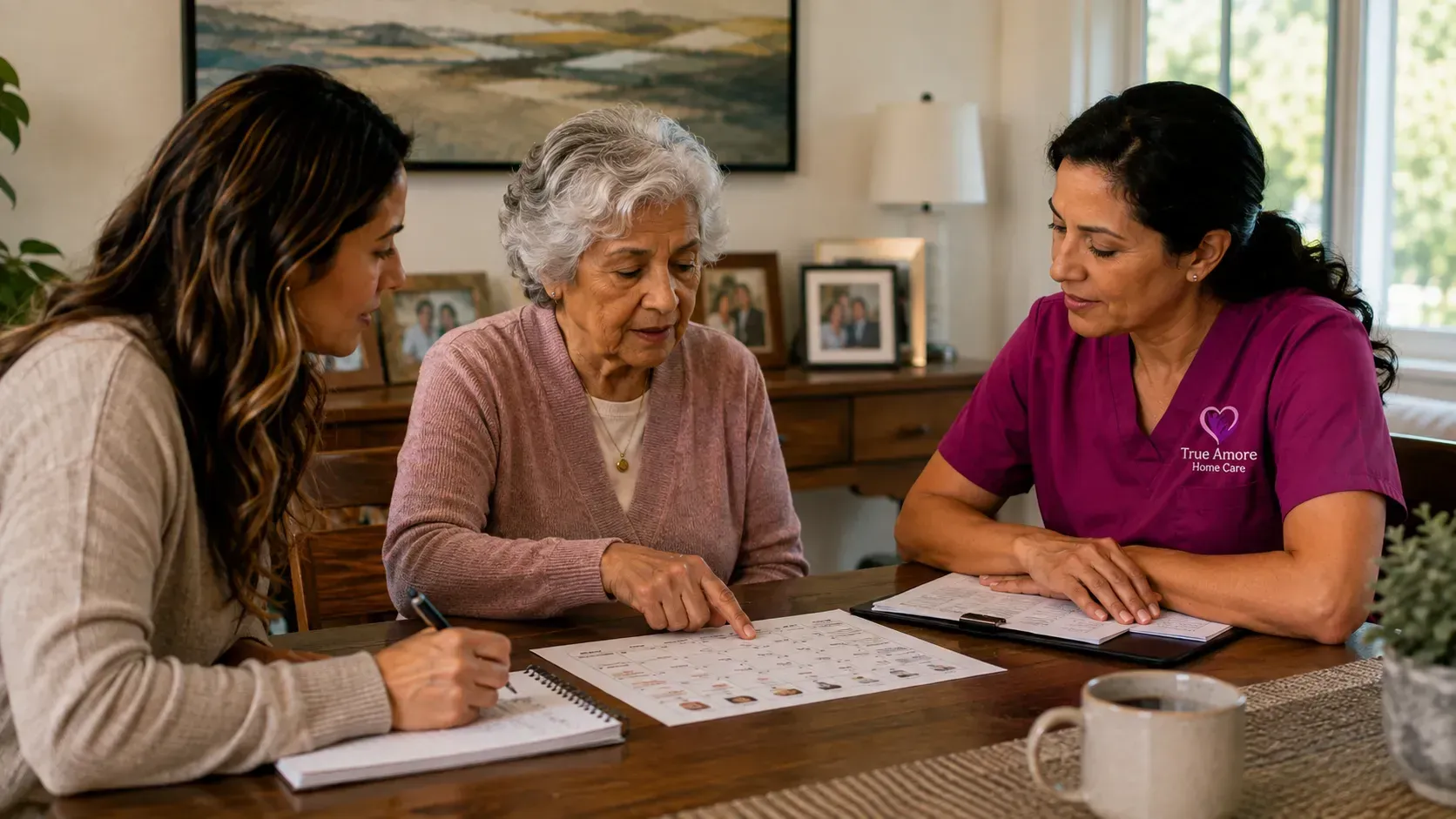
Preparing for a safe return home after a hospital stay involves understanding discharge instructions, making the home easier to navigate, arranging follow-up care, and identifying which daily activities may require assistance. Home care after a hospital stay can help older adults manage everyday activities and keep their routines while recovering at home. The right support depends on the person’s condition, medical instructions, and level of independence.
Whether your loved one is returning home after surgery, an illness, a fall, or another medical event, planning ahead can help your family feel more prepared for the transition.
Why Planning Matters After a Hospital Stay
Leaving the hospital does not necessarily mean an older adult is ready to resume their usual activities. They may feel tired, have difficulty moving around, need help with personal care, or require time to adjust to new instructions and routines.
Family members may also be unsure about their responsibilities once hospital supervision ends. They might need to coordinate appointments, arrange transportation, prepare meals, or determine whether someone should be available to provide assistance.
Planning for post-hospital home care helps families identify these needs before discharge rather than trying to organize everything after their loved one arrives.
The goal is not to assume that every person needs extensive assistance. It is to understand what the individual can safely manage, what their healthcare team recommends, and where practical support may be useful.
1. Understand the Discharge Instructions
Before your loved one leaves the hospital, ask the discharge planner or healthcare team to explain the instructions clearly. Request written guidance and make sure the person responsible for care at home understands what needs to happen next.
Pay particular attention to the following:
- Medication instructions: Confirm which medications to take, the prescribed schedule, and whether any previous medications have been stopped or changed.
- Activity restrictions: Understand any limitations involving walking, lifting, bending, or other activities.
- Wound care and treatment: Clarify whether skilled care is required and who will provide it.
- Follow-up appointments: Confirm appointment dates, transportation arrangements, and any preparation instructions.
- Equipment requirements: Find out whether a walker, wheelchair, shower chair, or other recommended equipment is needed.
- Warning signs: Ask which symptoms require contacting the healthcare provider and which require emergency assistance.
- Contact information: Keep the relevant healthcare provider's number and after-hours instructions accessible.
Do not leave important questions unanswered because the hospital is preparing for discharge. If an instruction is unclear, ask for clarification before relying on your own interpretation.
The
Medicare guide to discharge planning explains how discharge planning helps patients understand the care and services they may need after leaving the hospital.
2. Prepare the Home Before Discharge
A home that was comfortable before hospitalization may present new challenges during recovery. Temporary weakness, changes in balance, pain, or limited mobility can make everyday movements more difficult.
Preparing the main living areas before your loved one returns can help reduce avoidable obstacles.
Home preparation checklist
- Remove clutter, loose rugs, and electrical cords from walking paths.
- Keep frequently used items within comfortable reach.
- Make sure hallways, entrances, and frequently used rooms have adequate lighting.
- Arrange a comfortable resting area with easy access to essential items.
- Check whether the bathroom requires recommended safety equipment.
- Keep a phone and important contact numbers accessible.
- Ensure prescribed mobility equipment is available and ready to use.
- Arrange safe transportation from the hospital.
- Make sure the person can access the areas they need to use without unnecessary obstacles.
Follow the healthcare team's recommendations when making changes to the home. For example, equipment needs may differ depending on whether the person has restrictions on weight-bearing, movement, or using stairs.
Families can also consult the
National Institute on Aging's guide to aging in place for additional information about making a home more suitable for an older adult's needs.
3. Identify the Support Needed at Home
The amount of assistance required after a hospital stay varies from person to person. Some older adults may manage most daily activities independently but need occasional help. Others may require more regular assistance while following their recovery plan.
Before arranging post-hospital home care, consider which activities your loved one can manage safely and which may require help.
| Area of daily life | What families should consider |
|---|---|
| Personal care | Is help with bathing, dressing, or grooming needed? |
| Mobility | Can the person move around safely within the limits set by the healthcare team? |
| Meals | Can they prepare meals and access food independently? |
| Household tasks | Is assistance with light housekeeping or everyday chores helpful? |
| Transportation | Can they get to follow-up appointments safely? |
| Companionship | Would regular company and practical assistance provide reassurance? |
| Family availability | Who can help, and when might additional support be needed? |
Use this checklist to organize your family's questions, not to make medical decisions. The person's healthcare team should clarify any restrictions or clinical needs.

When non-medical home care may help
Non-medical home care fits when an older adult needs practical help with everyday activities and receives any medical treatment from healthcare professionals.
A caregiver may help with personal care, meal preparation, light housekeeping, companionship, and transportation or errands.
For example, a person recovering from an illness may be able to follow their healthcare team’s instructions independently but find it difficult to prepare meals or manage household tasks. Practical assistance can help address those everyday challenges.
4. Understand Home Care Versus Home Health Care
Home care and home health care serve different purposes. Understanding the distinction helps families arrange the right services after discharge.
Non-medical home care focuses on everyday assistance, such as personal care, companionship, meal preparation, and help with routine activities.
Home health care is skilled care from licensed healthcare professionals when it is medically necessary, such as skilled nursing or physical therapy.
An older adult may need both. For example, someone recovering from surgery might need prescribed physical therapy while also needing help getting dressed or preparing meals.
Non-medical home care does not replace skilled nursing, wound treatment, prescribed therapy, or medical monitoring. If your loved one needs these services, confirm the arrangements with the hospital discharge team and healthcare provider.
Does Medicare pay for this? Original Medicare does not cover personal care when that is the only care needed, but it may cover eligible home health services when its requirements are met. Read the official
Medicare home health services coverage information for the current requirements.
5. Organize Medication Instructions and Follow-Up Appointments
Medication instructions may change during a hospital stay. Keeping an updated medication list and the written discharge instructions together can help family members avoid confusion.
Use the information provided by the healthcare team. If instructions conflict with an existing prescription or you are unsure about a dose, timing, or medication change, contact the prescribing professional or pharmacist for clarification.
A non-medical caregiver can provide medication reminders as part of the care plan. Caregivers do not prescribe medication, choose or change doses, or provide clinical medication administration. Confirm what any provider’s caregivers are permitted to do rather than assuming.
Follow-up appointments also deserve attention. Confirm the dates, arrange transportation, and note any instructions that must be followed before the visit.
If your loved one has difficulty attending appointments, ask the healthcare team about appropriate transportation or other available support options.

6. Recognize Warning Signs During Recovery
Families should understand which changes are expected under the discharge plan and which need medical attention. Do not assume that a new symptom is simply part of getting older or recovering.
Follow the specific warning signs provided by the healthcare team. Contact the appropriate healthcare professional promptly if your loved one's condition worsens or you notice a concerning change.
Seek emergency assistance by calling 911 for serious or sudden symptoms such as difficulty breathing, severe chest pain, signs of a stroke, or loss of consciousness. Follow any specific emergency instructions provided at discharge.
If the person develops sudden confusion or a significant change in alertness or behavior, seek prompt medical assessment rather than assuming the change is a normal part of recovery.
A caregiver may help notice changes and communicate observations to the family, but a nonmedical caregiver cannot replace a clinical assessment. When in doubt, contact a qualified healthcare professional.
7. Arrange Support for the Transition Home
Family members often want to provide all the help their loved one needs. However, work schedules, other responsibilities, and uncertainty about recovery can make it difficult to coordinate everything alone.
Discuss the practical arrangements before discharge. Identify who will be available, what each person can manage, and whether additional support is needed at particular times.
When arranging hospital discharge home care, ask the provider:
- Which daily activities can caregivers assist with?
- How are care needs and responsibilities discussed before services begin?
- What schedule options are available?
- How are changes in needs communicated to the family?
- What should the family do if the person’s needs exceed what non-medical home care can provide?
Providers differ in their schedules and in the care they can offer, so ask before you decide.
First-Day-Home Checklist
The first day home sets the tone for recovery. Before discharge, confirm:
☐ Who will meet the person at home, and who will stay for the first hours
☐ Medications are filled and at home, with an updated medication list
☐ Equipment has been delivered, and the person can reach the essential rooms: bedroom, bathroom, and kitchen
☐ Follow-up appointments are scheduled, with provider contact information easy to find
☐ The caregiver’s start time is confirmed, with backup arrangements if plans change
If any care task is unfamiliar, such as using equipment or helping with a transfer, ask hospital staff to demonstrate it before discharge. Then confirm that you can manage it safely.
How True Amore Home Care can help
True Amore Home Care LLC provides personalized non-medical home care for older adults and families. Practical help with daily activities can ease the load on families while their loved one adjusts to being home.
After a care assessment, families can request support such as:
- Bathing, dressing, and toileting assistance
- Mobility and transfer assistance consistent with discharge instructions
- Meal preparation that follows prescribed dietary instructions
- Medication reminders
- Transportation to appointments and accompaniment during visits
- Companionship and support during scheduled care hours
- Communication with families about observed changes
True Amore’s caregivers do not replace skilled nursing, wound treatment, or prescribed therapy.
How we work with families
- Care assessment. We start by learning about the person’s needs, routines, and home, and what the family hopes for.
- Discharge instructions. We review the relevant discharge instructions so care tasks stay consistent with them.
- Caregiver matching. We match a caregiver to the tasks the care plan requires, and to personality and interests whenever possible.
- Scheduling. We work with the family to set a schedule around the care plan and caregiver availability.
- Care plan reviews. The plan is reviewed as recovery progresses and needs change.
True Amore serves families throughout the San Fernando Valley and Conejo Valley, including communities such as
Woodland Hills,
Chatsworth,
Northridge,
Encino,
Calabasas,
Thousand Oaks,
Westlake Village, and
Agoura Hills.
Planning for the Cost of Care
Costs depend on the hours, services, and schedule. Our guide on how much home care costs in Los Angeles explains what affects pricing, and our payment options guide compares ways families pay for care. Before services begin, discuss rates, minimum visit requirements, and payment arrangements with the care team.
If you are preparing for a loved one’s return home, call us or schedule an assessment to talk through your anticipated discharge date, care needs, and caregiver availability. Availability depends on caregiver schedules, so the sooner you share your timeline, the better we can plan.

If you are preparing for a loved one's return home and would like to discuss available nonmedical support, contact True Amore Home Care to talk through your family's needs.
Frequently Asked Questions
1. When should families arrange home care after a hospital stay?
Families should discuss support needs as early as possible during discharge planning. This allows time to clarify instructions, prepare the home, confirm follow-up services, and arrange any needed non-medical assistance before the person returns.
2.What does post-hospital home care include?
Post-hospital home care can include personal care, meal preparation, medication reminders, mobility help, transportation to appointments, and companionship. Skilled healthcare services, when required, are arranged separately through healthcare providers.
3. Can a non-medical caregiver provide wound care or physical therapy?
Non-medical caregivers do not replace qualified professionals who provide clinical treatment or prescribed therapy. Families should follow the discharge plan and arrange skilled services through the appropriate healthcare providers.
4. Does Medicare cover home care after a hospital stay?
Original Medicare does not cover personal care when that is the only care needed. It may cover eligible home health services, such as skilled nursing or therapy, when its requirements are met. Review the official Medicare home health coverage information and confirm coverage with the provider or your plan.
5. What should families do if an older adult's condition worsens at home?
Follow the discharge instructions and contact the healthcare provider promptly when symptoms worsen or concerning changes occur. Call 911 for serious or sudden emergencies, including difficulty breathing, severe chest pain, or signs of a stroke.
6. How can families decide how much home care is needed?
Start by reviewing the discharge instructions and discussing the person's needs with the healthcare team. Then consider which daily activities require assistance, when family members are available, and whether a non-medical home care arrangement can meet those needs.
About the Author
Shamim Kalanda, CSA
Shamim Kalanda, CSA, is the Administrator and Owner of True Amore Home Care LLC. She helps families assess care needs and arrange personalized non-medical home care for older adults throughout Los Angeles County and neighboring Ventura County communities. True Amore Home Care LLC is a California licensed Home Care Organization, HCO No. 194701217.