
Signs Your Parent May Need Home Care Services: 10 Warning Signs to Know
It can be difficult to recognize when an aging parent needs more help at home. Many seniors value their independence and may not openly say when everyday tasks are becoming harder.
Small changes can sometimes be the first indication that additional support would be helpful. Trouble preparing meals, keeping up with household tasks, managing personal care, or getting around safely may all be signs that it's time to consider senior home care.
The National Institute on Aging recommends paying attention to changes in an older adult's daily activities, mobility, memory, home environment, and ability to manage everyday tasks.
The key is not to wait for a serious emergency before asking for help. Here are 10 signs that may indicate your parents could benefit from additional support at home.
1. Your Parent Is Struggling With Personal Care
One of the clearest signs that a parent may need help is difficulty managing personal care independently.
You may notice that your parents are having trouble bathing, dressing, grooming, using the bathroom, or getting in and out of bed or a chair.
These everyday activities can become challenging because of reduced mobility, weakness, illness, or other age-related changes. The National Institute on Aging identifies these activities as common areas where older adults may need additional support.
Personal care support can help your parents maintain their dignity while receiving assistance with the tasks that have become difficult.
If personal care is becoming a concern, a personalized care assessment can help you understand what level of support may be appropriate.
2. Meals Are Being Skipped or Food Is Spoiling
Changes in eating habits can be easy to overlook, especially if you don't visit your parents every day.
You might notice an empty refrigerator, expired food, skipped meals, or a parent who suddenly relies heavily on packaged or convenience foods.
Difficulty shopping, standing in the kitchen, preparing meals, or safely using appliances can all make eating well more challenging.
Home-based support can include grocery shopping and
meal preparation, helping older adults maintain regular meals while continuing to live at home.
3. Your Parent Is Having Trouble Getting Around Safely
Mobility changes deserve attention because difficulty walking or moving around the home can increase the risk of falls and other accidents.
Look for signs such as holding onto furniture while walking, struggling with stairs, having difficulty getting out of a chair, or becoming less confident when moving around the house.
Your parents may also stop participating in activities they previously enjoyed because getting around has become difficult.
If mobility is becoming a concern,
in-home senior care may provide practical assistance with everyday activities and movement around the home.

4. The House Is Becoming Increasingly Difficult to Manage
A home that was once clean and organized may gradually become harder for your parents to maintain.
You might notice piles of laundry, dishes left unwashed, cluttered walkways, or household tasks that are no longer being completed.
This doesn't necessarily mean your parents cannot live independently. It may simply indicate that they could benefit from some help with routine household responsibilities.
Depending on the care plan, home care assistance for seniors can include
light housekeeping, laundry, grocery shopping, and other everyday tasks.
5. Your Parent Is Forgetting Important Things More Often
Occasional forgetfulness can happen as people get older. However, noticeable changes in memory or decision-making deserve attention.
For example, your parents may repeatedly forget appointments, have difficulty managing bills, forget familiar routines, or become confused about things they previously handled easily.
Memory changes do not automatically mean someone needs home care or has dementia. A healthcare professional should evaluate concerning symptoms.
If
memory problems are affecting everyday safety or routines, additional supervision and support may become part of a broader care plan.
6. Your Parent Has Become More Isolated
Social withdrawal can happen gradually.
A parent who once enjoyed visiting friends, attending community activities, going shopping, or spending time with family may start staying home most of the time.
Living alone can also make everyday interactions less frequent.
Companion care can provide conversation, social engagement, help with hobbies, walks, outings, and other activities that encourage meaningful connection.
For some families, having a caregiver visit regularly provides both practical assistance and reassurance that someone is checking in on their loved one.
7. Your Parent Is Missing Appointments or Struggling With Errands
Have you noticed your parents missing medical appointments, forgetting grocery trips, or putting off important errands?
These changes may indicate that transportation, scheduling, or mobility has become more difficult.
Older adults may stop driving or avoid leaving home because they no longer feel comfortable traveling alone.
Depending on the provider and care plan, home-based support can include transportation assistance for appointments, grocery shopping, pharmacy visits, and other essential errands.
This type of support can help your parents remain connected to the community while reducing the stress of managing everything alone.
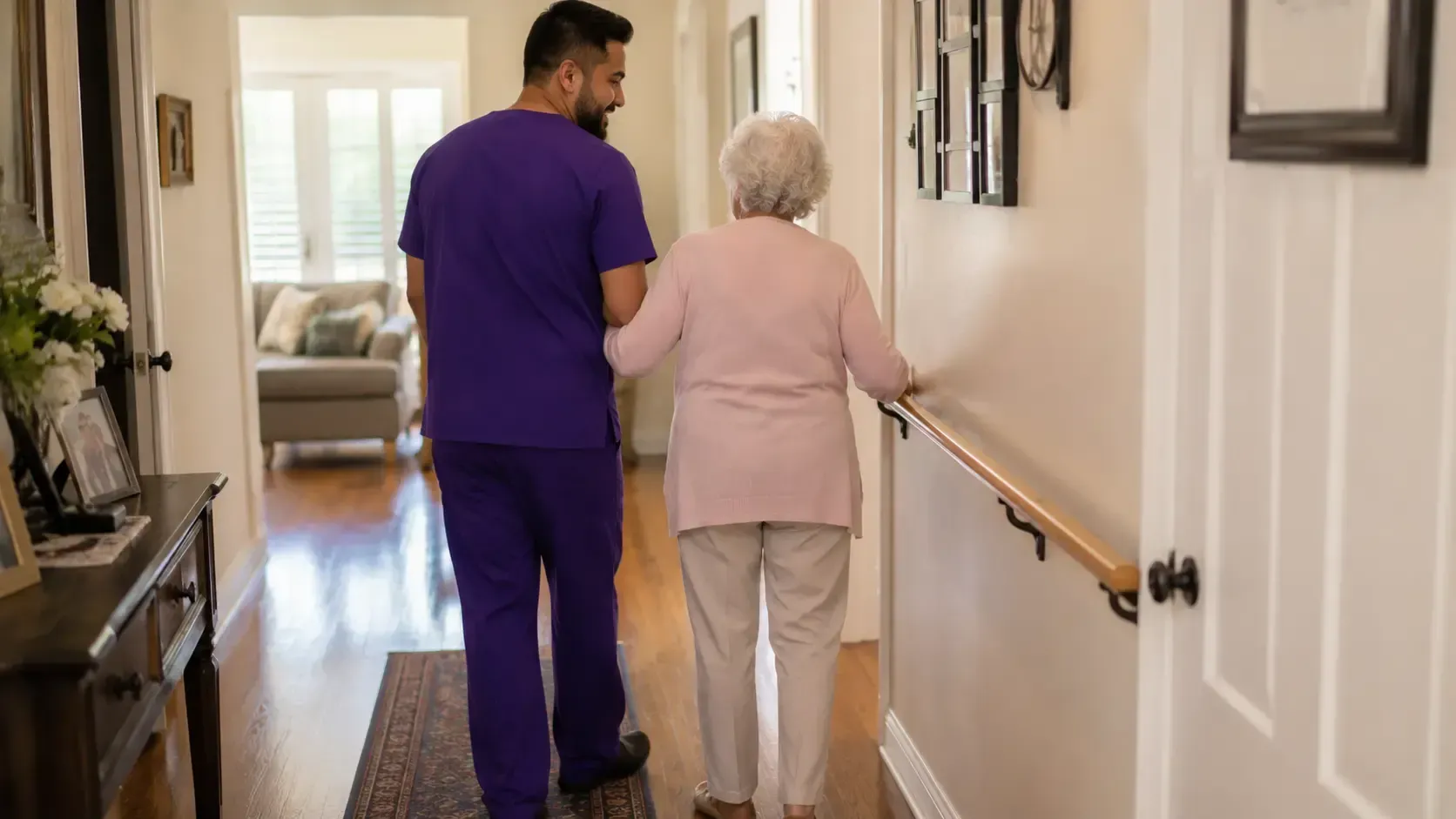
8. Your Parent Has Had a Recent Fall or Near-Fall
A fall can be a major warning sign that your parents may need additional support.
Even if your parent wasn't seriously injured, a fall or repeated near-falls may indicate problems with balance, mobility, vision, strength, or the safety of the home environment.
Look for other clues too, such as difficulty getting up from a chair, avoiding stairs, holding onto walls, or becoming nervous about walking.
A healthcare professional should evaluate unexplained falls or sudden changes in
mobility. At the same time, families can review home safety and consider whether additional daily assistance is needed.
9. Your Parent Is Having Difficulty Managing Everyday Routines
Sometimes the signs aren't dramatic. Instead, several small things start changing at the same time.
Your parents may struggle to keep track of meals, household tasks, appointments, medications, or other parts of their normal routine.
If your parent's routine is becoming increasingly difficult to manage,
senior home care may provide the practical support needed to make everyday life easier.
10. Family Members Are Becoming Overwhelmed
Sometimes the clearest sign that more care is needed isn't a change in your parents-it's a change in the family.
You may be spending hours each week driving to appointments, preparing meals, helping with household tasks, checking in throughout the day, or coordinating care.
If family members are constantly worried about whether their loved one is safe, it may be time to consider additional support.
Home care doesn't have to replace family involvement. It can give families another layer of support while allowing them to spend more quality time with their loved one.
Not sure how much help your parents need?
True Amore Home Care offers personalized care assessments for families throughout Los Angeles County and the Conejo Valley.

When Should You Consider Senior Home Care?
You don't have to wait until your parents need full-time care.
In many situations, families begin with a few hours of support each week and adjust the care plan as their parent's needs change.
For example, your parents may initially need help with meal preparation and transportation. Later, they may need assistance with personal care, mobility, companionship, or more frequent supervision.
The goal of home care services for elderly adults is to provide appropriate support while helping the person remain as independent as possible.
Home-based support can range from assistance with daily activities and household tasks to companionship and transportation.
What If My Parent Refuses Home Care?
This is a common concern for families.
Many older adults associate needing help with losing their independence. Instead of approaching the conversation as "you can't manage on your own," focus on the specific tasks that have become difficult.
For example, you could suggest having someone help with grocery shopping, meal preparation, or transportation a few hours a week.
Starting with limited support can make the transition more comfortable and give your parents time to adjust.
It's also important to involve your parents in decisions about their care whenever possible.
Does Needing Home Care Mean My Parent Has Dementia?
Not necessarily.
Difficulty with everyday activities can happen for many reasons, including changes in mobility, illness, vision problems, medication effects, or other health concerns.
However, significant changes in memory, thinking, communication, judgment, or personality should not simply be dismissed as normal aging.
The Alzheimer's Association identifies warning signs such as memory loss that disrupts daily life, difficulty completing familiar tasks, problems with planning, confusion about time or place, and changes in judgment or personality.
If you notice significant or sudden changes, encourage your parents to speak with their healthcare provider. A professional evaluation can help identify the underlying cause and determine what type of support may be appropriate.
How Can Families Get Started With Home Care?
If you've noticed several of these warning signs, you don't necessarily need to make a major decision immediately.
Start by having an honest conversation with your parents about what has become difficult.
Then consider:
- Which daily activities are becoming challenging?
- Does your parent need help every day or only occasionally?
- Are there concerns about falls or safety?
- Would companionship improve their routine?
- Does transportation make appointments difficult?
- Is the family struggling to provide enough support?
- Would specialized dementia or Alzheimer's care be appropriate?
A professional care assessment can help identify where assistance would be most useful.
True Amore Home Care supports older adults and families throughout Los Angeles County and the Conejo Valley, including communities such as Woodland Hills, Thousand Oaks, Westlake Village, and Simi Valley.
If you're noticing changes in your parent's daily routine, now may be a good time to explore your care options.

Frequently Asked Questions
1. What are the first signs that a parent may need home care?
Common signs include difficulty with personal care, preparing meals, mobility, housekeeping, transportation, memory-related routines, and maintaining social connections. A combination of several changes may indicate that additional support would be helpful.
2. At what age should someone consider senior home care?
There is no specific age when someone should begin home care. The need depends more on a person's abilities, safety, health, and daily support needs than their age.
3. Can my parents receive home care for only a few hours?
Yes. Care arrangements can vary based on individual needs and provider availability. Some seniors may benefit from only a few hours of support each week, while others may need more frequent assistance.
4. What services can home care provide for seniors?
Depending on the provider, services may include personal care, companionship, meal preparation, light housekeeping, transportation, errands, respite care, and support with everyday routines.
5. Does Medicare pay for senior home care?
Original Medicare may cover eligible, medically necessary home health services when specific requirements are met. It generally does not cover ongoing non-medical custodial care - such as personal care, companionship, or 24-hour supervision-when that is the only care needed. Some Medicare Advantage plans may offer additional in-home support benefits, so families should review their individual plan.
6. How can I talk to my parents about needing home care?
Start with specific concerns rather than telling your parents they can no longer live independently. Explain what you've noticed and ask what kind of help would make everyday life easier. Beginning with a small amount of assistance can make the transition more comfortable.
7. Can home care help someone with dementia?
Depending on the provider and caregiver qualifications, home care may provide supervision, companionship, assistance with daily routines, and other non-medical support for someone living with dementia. Significant memory or behavioral changes should also be discussed with a healthcare professional.
8. Can home care and home health care be used together?
They can serve different purposes. A person may receive non-medical home care while also receiving eligible skilled home health services when medically appropriate. Medicare's home health coverage has specific requirements.
Getting the Right Support for Your Parent
Recognizing that a parent needs help can be emotional. It doesn't mean they have to give up their independence or move away from the home they love.
The right support can make everyday tasks easier while giving families greater peace of mind.
At True Amore Home Care, families often contact us after noticing several small changes rather than one major emergency. A parent may still appear independent while quietly skipping meals, avoiding the shower, or holding onto furniture while walking. Looking at the overall pattern can be more helpful than focusing on one isolated incident.
About the Author
Shamim Kalanda, CSA
Administrator and Owner, True Amore Home Care
Shamim Kalanda helps families arrange compassionate non-medical home care for older adults throughout Los Angeles County and the Conejo Valley. True Amore Home Care is a California-licensed Home Care Organization, HCO No. 194701217.
Recent Posts









 Talk to a Care Expert